
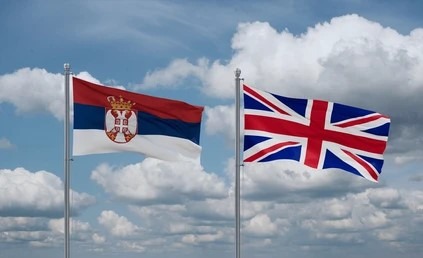
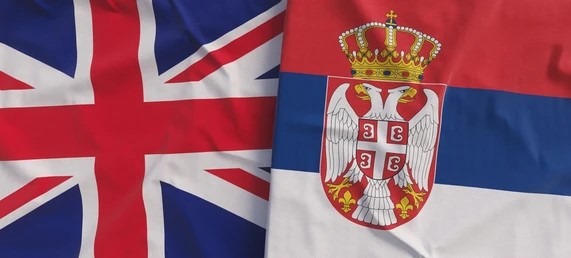
The vocabulary of the Serbian language is rapidly evolving under the growing influence of digital media, with the addition of new words and expressions. The influx of Anglicisms is, on one hand, a natural way of enriching the Serbian lexicon. However, there is a long-term danger that these foreign terms could dramatically alter the structure of the language. This phenomenon not only affects how we communicate but also our cultural and national identity. In this article, we will explore how Anglicisms impact the Serbian language, where they most commonly appear, and what we can do to preserve our language despite the increasing influence of English.
Examples of “Anglo-Serbian” on the Internet
Examples of “Anglo-Serbian” can be found all over the internet, from page titles, through literal translations of expressions, language constructions, advertisements, and entire websites, to seemingly harmless borrowings that collectively undermine the integrity of Serbian vocabulary online. For instance, we often see titles like “Апгрејд телефона” (“Phone Upgrade”), “Када сте у изласку” (“When You’re Out”), or “Како да бустујете свој профил на друштвеним мрежама” (“How to Boost Your Social Media Profile”). These phrases, although seemingly harmless, point to a deeper problem – the growing dominance of English in everyday communication.
The tendency to use English constructions and Anglicisms is on the rise, and they, although unadapted to Serbian, replace Serbian constructions in the same situations. For example, phrases such as “даунлоадовати фајл” (“download a file”) instead of “преузети датотеку”, or “фолововати некога” (“follow someone”) instead of “пратити некога” have become common. Especially among social media users, the new verb “синовати” (“to seen”) meaning that someone has read the message you sent them is prevalent. This not only disrupts the structure of the Serbian language but also affects our ability to express ourselves in our native language.
Anglicisms in Media and Everyday Speech
Such sentences could be heard from hosts on national television channels: “Перформанс на фешн-вику је био један нонсенс на стејџу” (“The performance at fashion week was nonsense on stage”). “Уместо да буде транспарентно, креаторов селекшн стајлинга и кастинга манекенки је био превише клос мајндед” (“Instead of being transparent, the creator’s selection of styling and casting models was too close-minded”). This example is not isolated. Television and newspapers are flooded with words borrowed from English. How many times have you been in a conversation where you couldn’t understand what your “English” speaking interlocutor meant?
Grandparents in modern Serbian cities increasingly feel as if they are lost in London or New York due to store names they can’t pronounce or understand. When their grandchildren say they are “кул” (“cool”), the older generation might think it’s a type of culture. These situations are becoming more frequent, indicating that the influx of Anglicisms is far from a superficial problem.
Dictionaries and Linguists
Prominent Serbian linguists Ivan Klajn and Milan Šipka intend to introduce words such as “хејтовање” (“hating”), “лајковање” (“liking”), and “гугловање” (“Googling”) into the new edition of the Dictionary of Foreign Words and Expressions. Academician Ivan Klajn emphasizes that there is a justified need for the introduction of Anglicisms into the dictionary. Serbian used to be full of Germanisms and Gallicisms, and today English is the trend of globalization.
Klajn believes that the Serbian lexicon is not in a poor state due to English words but due to the lack of mother tongue instruction in high schools, the lack of official care for linguistic culture, and the influence of media. For example, banks offer loans with a “грејс периодом” (“grace period”), we go to the “џим” (“gym”), and attend “ивенти” (“events”). This phenomenon indicates deeper problems in our educational and cultural system, where the use of the native language is neglected in favor of modern, but not always necessary, terms.
Linguist Ranko Bugarski believes that it is impossible to live without English words in today’s world but stresses that everything borrowed should be adapted with measure and knowledge. Examples of direct translation of constructions from English such as “Шта могу да учиним за вас?” (“What can I do for you?”) instead of “Изволите” (“Here you go”) are becoming more common. This way of using language not only creates confusion in everyday communication but also undermines the foundation of our cultural identity.
Adaptation and Youth
The most frequent users of Anglicisms are the youth, but the middle generation uses them as well, while older people often do not understand them. Examples such as a conversation between two high school students: “Хејтујем те што ми ниси лајковао статус на фејсу!” (“I hate you for not liking my status on Facebook!”) “Сори, али нисам у фулу ових дана” (“Sorry, but I’m not in full swing these days”). “Ма, ок је, искулирај” (“It’s okay, chill out”) show that the presence of Anglicisms in everyday speech is significant. This is not just a question of fashion or trend, but a deeper cultural change happening before our eyes.
Impact on Cultural Awareness
Professor Klajn says that no language has ever “died out” because of borrowed words, even though purists in many countries predicted that the language would “perish” because of foreign terms. If the Serbian language does not survive, it will only be because the Serbian people cannot survive economically in their own country. This aspect is crucial because it indicates that language is not an isolated phenomenon but part of a broader socio-economic and cultural context.
The Future of the Serbian Language
The “flood” of Anglicisms has been evident since 2000, following socio-political changes in the country and alignment with foreign regulations without the cooperation of language experts. It is necessary for the state, scientific institutions, schools, and media to collaborate and contribute. This process requires continuous education and awareness of the importance of preserving the native language. Anglicisms are all around us and are necessary, but their usage must be harmonized with the Serbian language to prevent some Serbian words from being forgotten. It is essential to form a Commission for Language Issues to devise linguistically correct words as substitutes for Anglicisms. The future of the Serbian language depends on us. We must be aware of the importance of preserving our language and culture. Through proper education and awareness of the significance of language, we can ensure that the Serbian language remains alive and vital in the digital age.
Suggestions and Recommendations
- Education and Training: Educational institutions should introduce mandatory native language courses focusing on lexical and grammatical culture. This could include special courses and workshops on preserving the Serbian language and culture.
- Media and Public Figures: Media and public figures play a significant role in shaping linguistic habits. Media should be encouraged to use proper and cultivated Serbian language and avoid unnecessary Anglicisms.
- Legal Regulation: The state could consider introducing legal measures to encourage the use of the Serbian language in public spaces, such as shop signs, public advertisements, and media content.
- Language Councils and Commissions: Formation of councils and advisory bodies dealing with language policy and practice. These institutions could provide recommendations for the use of appropriate Serbian terms instead of Anglicisms.
- Awareness and Promotion: Raising awareness of the importance of language preservation through campaigns, public discussions, and cultural events. Promoting the Serbian language as a valuable cultural heritage that should be nurtured and preserved.
- Research and Publications: Data and research on the impact of Anglicisms on the Serbian language should be accessible to the wider public. Publishing scientific and popular works highlighting the importance of language preservation.
Conclusion
Anglicisms are an inevitable part of contemporary communication and globalization, but their use must be moderate and conscious. Preserving the Serbian language requires a joint effort from the state, educational institutions, media, and all of us as individuals. Through education, promotion, and awareness of the importance of our language, we can ensure that the Serbian language remains alive and vital in the digital age.


